
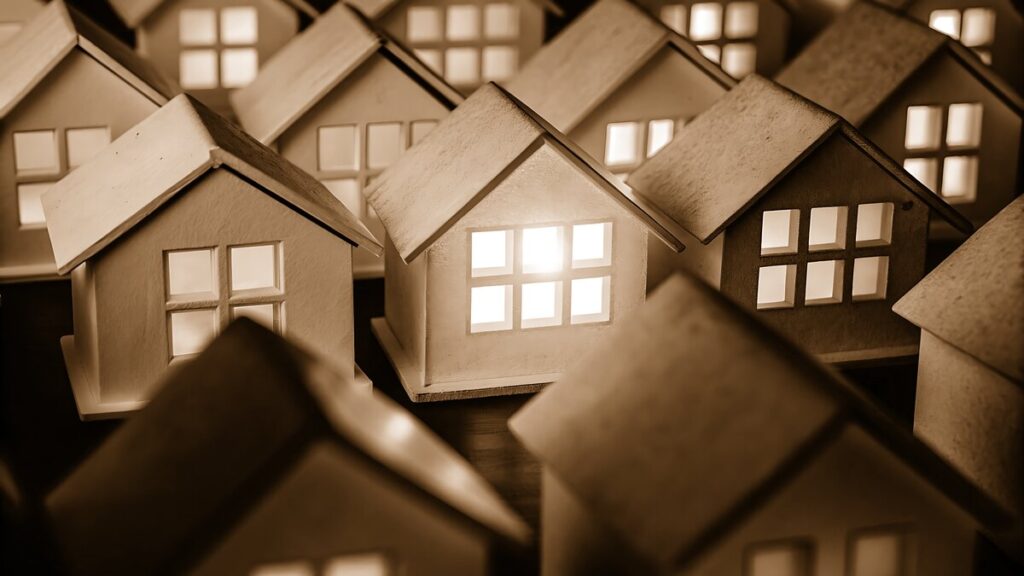
Nestled on the southwestern edge of Alexandria, straddling the Arlington border, the Fairlington neighborhood has quietly flourished for nearly a century. With its red-brick garden-style homes, lush green spaces, and a deep sense of community spirit, Fairlington remains a beloved enclave for those who value history, charm, and neighborly warmth. But behind those leafy lanes lies an intriguing story — one that traces back to wartime necessity, postwar optimism, and a lasting commitment to community.
The Origins of Fairlington
To truly understand Fairlington, we must journey back to the early 1940s, a time when Alexandria and the greater Washington, D.C. area were rapidly transforming in response to World War II. The United States Department of Defense urgently needed housing for defense workers, military personnel, and civil service staff pouring into the capital. In response, the Defense Homes Corporation, a federal agency, acquired more than 300 acres of farmland—much of it previously occupied by the historic Alexandria/Arlington line.
The area was chosen for its proximity to the Pentagon, which was then under construction, and its easy access to key defense installations via the new Shirley Highway (now I-395). Construction began in 1942, bringing with it a sense of purpose and national unity. By 1944, what had once been rolling farmland and woods emerged as a model residential community — Fairlington.
Naming the Neighborhood: A Story Woven from Local Roots
The name “Fairlington” itself is a perfect example of its borderland heritage. It’s a combination of “Fairfax” and “Arlington,” reflecting its physical location adjacent to both Alexandria (then still part of Fairfax County) and Arlington County. This blend of names aptly expressed the community’s bridging character, positioned literally and figuratively at the crossroads of greater Washington’s historic counties.
Key Historical Milestones
- 1942-1944: War-Era Construction: Nearly 3,500 rental apartment units are constructed in record time, primarily in the Colonial Revival style that still distinguishes Fairlington today. The red brick façades, slate roofs, and dormered windows give the neighborhood its signature look.
- 1947: Postwar Transition: With the war over, the urgent demand for defense housing diminishes. Fairlington’s rental units become highly sought-after homes for returning GIs and their growing families, helping launch the baby boom generation right here on streets like S. Abingdon Street and S. 36th Street.
- 1972-1978: Condominium Conversion: In the 1970s, Fairlington undergoes a significant transformation from rental apartments to one of the nation’s largest condominium communities. Seven distinct condominium associations are formed: North, South, Villages, Meadows, Glen, Arbor, and Commons. This innovative conversion allowed residents to build equity and fostered a thriving community association culture.
Notable Landmarks and Streets
A stroll through Fairlington reveals treasures that tell the neighborhood’s story:
- Fairlington Community Center (3308 S. Stafford Street): Originally built as a school in 1949, the center now serves as the beating heart of the neighborhood. It offers recreational programs, community classes, playgrounds, and the popular Sunday farmers’ market. The adjacent *Utah Park* features ball fields, tennis courts, and a community garden.
- The Historic Fairlington Firehouse (Fairlington Station #7, 3116 S. Abingdon Street): Opened in 1948, this enduring fire station has responded to the community’s needs for decades and stands as a testament to Fairlington’s commitment to public safety.
- Walking Paths and Gardens: Meandering brick and asphalt paths thread through the community, flanked by mature oaks and maples that explode with color every autumn. You’ll often see neighbors walking dogs or pushing strollers around *31st Street S.* and *S. Wakefield Street,* enjoying the serenity and sense of security that these pedestrian-friendly routes provide.
Architectural Heritage
Fairlington’s garden-style townhouse and apartment layouts are key elements of its architectural allure. The carefully landscaped courtyards and winding streets were a pioneering design in the 1940s—maximizing green space, sunlight, and community interaction, while offering privacy and a peaceful ambiance.
Nearly all of Fairlington is listed on the National Register of Historic Places (added in 1999), recognized as one of the nation’s most intact and architecturally significant World War II-era housing developments.
How Fairlington Has Evolved
While Fairlington’s historical emphasis is clear, the neighborhood has never allowed itself to stagnate. In the decades since the initial condominium conversions, residents have restored and carefully modernized their homes, mindful of architectural guidelines that preserve the area’s unique character.
Community life is vibrant and inclusive, thanks in part to active condo associations and neighborhood groups. Annual events—like the Fairlington 5K, holiday decorating contests, and outdoor movie nights at the Community Center—underscore Fairlington’s tradition of neighborliness. Residents also benefit from easy access to Shirlington Village’s shops and restaurants, local schools such as Claremont Immersion Elementary, and proximity to the scenic Four Mile Run Trail.
The mix of original owners, young families, retirees, and new arrivals keeps the community dynamic and resilient. Many residents are drawn by the combination of urban accessibility and small-town serenity, all within a 10-minute drive of downtown D.C.
What Makes Fairlington Special
Ask any longtime resident and they’ll mention different reasons for loving Fairlington:
- The unmistakable sense of pride in its WWII heritage.
- Streets—such as S. Buchanan Street or S. Quaker Lane—lined with cherry blossoms and historic lamp posts.
- The sound of children playing in Fairlington Green’s open fields or trick-or-treating at Halloween.
- Summer barbecues, community yard sales, and spontaneous encounters on shaded walkways.
Fairlington is not merely a place to live—it’s an ongoing story, a community project in which everyone participates. The echoes of its past are everywhere, even as each new resident writes their own chapter. It is exactly this blend of history, architecture, and neighborly warmth that makes Fairlington an Alexandria treasure, both enduring and ever-evolving.